
The Rise of the Mavs' Small Ball Revolution in the 2000s
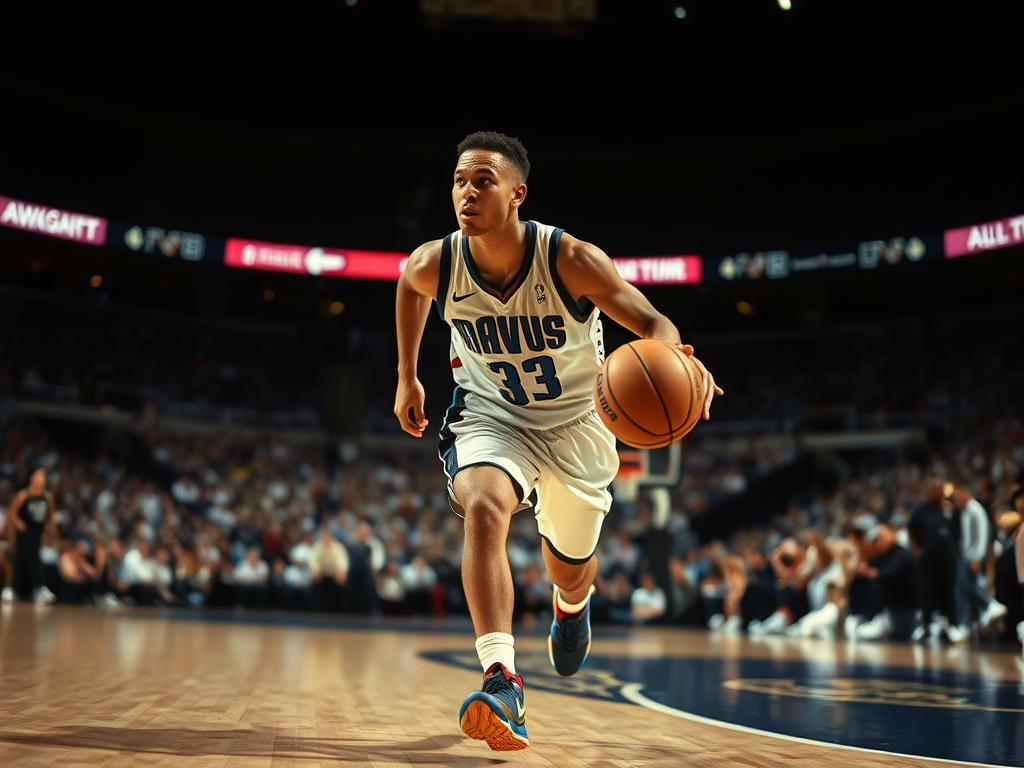
The early 2000s were a transformative period for the Dallas Mavericks, culminating in a tactical evolution that would forever change the franchise's identity. Under the guidance of head coach Avery Johnson, the Mavericks embraced a small ball strategy that allowed them to maximize their offensive efficiency while adapting to the changing landscape of the NBA.
In a league that was historically dominated by traditional big men, the Mavs took a bold approach by prioritizing speed and versatility. This shift was epitomized during the 2005-2006 season, where the Mavs not only garnered a franchise-record 60 wins but also showcased a style of play that emphasized spacing, ball movement, and three-point shooting. With players like Dirk Nowitzki, Josh Howard, and Jason Terry leading the charge, the Mavericks became a nightmare for opposing defenses, often deploying lineups that featured four players capable of shooting from beyond the arc.
Dirk Nowitzki, the face of the franchise, was central to this revolution. His ability to stretch the floor from the power forward position changed how teams approached defense. No longer could defenders sag off to protect the paint; they had to account for Dirk’s lethal shooting touch from the perimeter. This not only opened driving lanes for guards like Jason Terry and Devin Harris but also allowed for creative pick-and-roll scenarios that kept opponents on their toes.
The Mavs' small ball approach culminated in the 2006 NBA Finals against the Miami Heat, where they showcased their innovative style on the league's biggest stage. Although they fell short in a dramatic six-game series, the Mavericks' style of play began to influence other franchises, encouraging them to adopt similar tactics that prioritized skill and shooting over traditional size. The small ball concept became a blueprint for success in the years to come, prompting teams to rethink their roster construction and game strategies.
As the league transitioned into the 2010s, the Mavericks' early adoption of a small ball philosophy laid the groundwork for the modern NBA, where versatility and shooting have become essential. Teams began to emulate the Mavs' strategy, recognizing that a smaller, quicker lineup could exploit mismatches and create offensive opportunities that were previously overlooked.
The impact of the Mavericks’ small ball revolution is still felt today, as the NBA has evolved into a league that prioritizes pace and space. Teams that once relied heavily on dominant big men have adapted their strategies, embracing the perimeter game that the Mavs helped popularize. This shift in philosophy not only redefined how basketball is played but also cemented the Mavericks' legacy as pioneers of a new era in the sport.
In conclusion, the mid-2000s marked a significant turning point for the Dallas Mavericks. Their bold embrace of a small ball strategy not only transformed the franchise but also left a lasting imprint on the NBA, influencing the way the game is played today. As the Mavericks continue to build upon this foundation, one can only imagine how their innovative spirit will shape the future of basketball.