
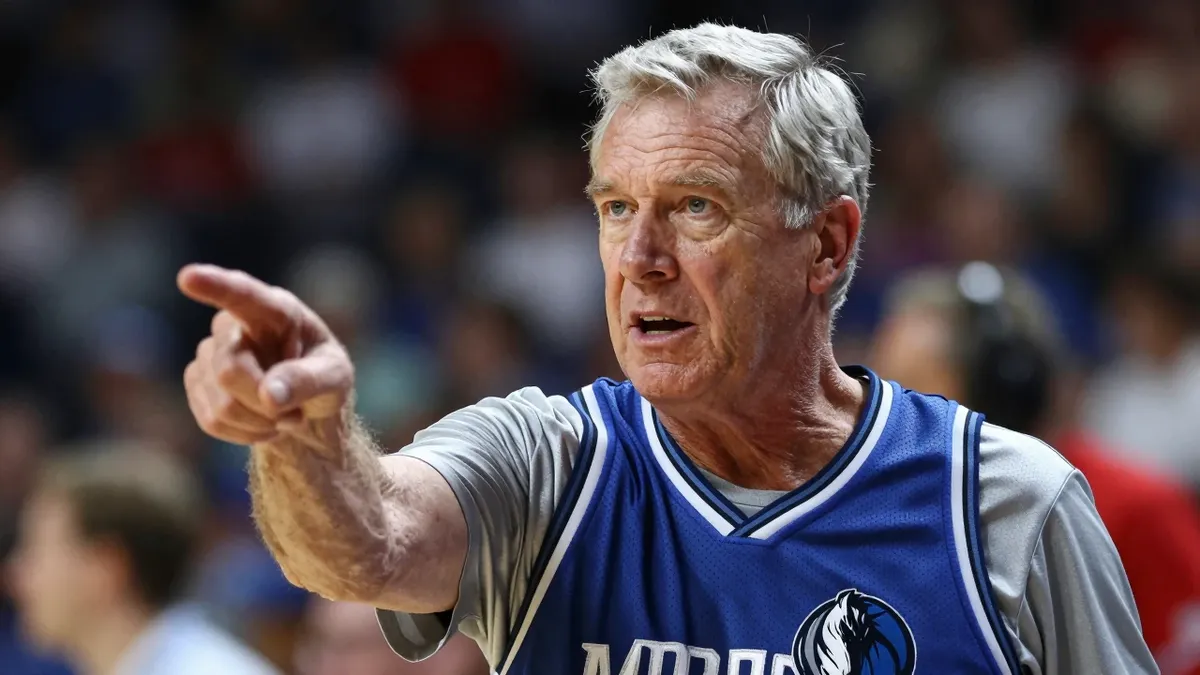
Don Nelson, the second-winningest coach in NBA and Dallas Mavericks history, died Sunday in Frisco, Texas, at the age of 86. His family confirmed his passing, noting he had recently been in hospice care after suffering a stroke about three weeks ago. The Mavericks organization and the entire basketball world mourn the loss of a true innovator. The current Mavericks squad now carries forward a legacy he helped build.
Who was Don Nelson and what was his impact?
Don "Nellie" Nelson was a Hall of Fame coach known for his unorthodox and creative basketball mind. He compiled 1,335 career NBA coaching victories, a record that stood for years. Nelson wasn't just a coach; he was a player first, winning five NBA championships with the Boston Celtics in the 1960s and 70s. His coaching philosophy often defied convention, emphasizing speed, spacing, and mismatches long before they became league-wide trends. He popularized the concept of the "point forward" and was a master of exploiting rules to his advantage.
His family said Nelson moved from his longtime home in Maui to Frisco, Texas, early this year to be closer to family. He was surrounded by loved ones and longtime NBA friends in his final days. Just weeks before his health declined, on June 15, a beaming Nelson received the James Naismith Family Legacy Award at a Sports Power Brokers Event at Gilley's in Dallas. "I feel great," he said that night. "I feel like I'm the luckiest guy in the room."
Why does his legacy matter for the Dallas Mavericks?
Nelson's connection to the Dallas Mavericks is foundational. He served as the team's head coach and general manager during a critical period, helping to establish the franchise's identity in the late 1990s and early 2000s. His tenure was marked by exciting, offensive-minded teams that captivated fans. He made bold personnel decisions and was instrumental in developing a style of play that valued skill and shooting.
His influence extends beyond his win total. Nelson's willingness to experiment and challenge the status quo left a permanent mark on how the game is played and coached. Many of today's NBA strategies, especially on offense, can trace their roots back to his innovative ideas. For the Mavericks, his era set the stage for the franchise's first NBA Finals appearance and eventual championship in 2011. You can explore the history of players he coached on the Mavericks roster page.
How is the basketball community reacting?
Tributes poured in from across the NBA, highlighting Nelson's unique personality and profound impact. Former players, colleagues, and rivals remembered him as a fierce competitor, a loyal friend, and a coaching genius. His ability to connect with players and get the most out of rosters, often without superstar talent, was a hallmark of his career.
The Mavericks organization released a statement honoring Nelson's contributions to the team and the sport. His passing marks the end of an era for a generation of basketball fans and professionals who were inspired by his work. Nelson's life in basketball, from player to executive, spanned over six decades, making him one of the most recognizable and respected figures in the history of the game.
What is the current context for the Mavericks?
The news of Nelson's passing comes as the modern Dallas Mavericks build their own legacy. Their last victory was a dominant offensive display, putting up 149 points against the Bulls. This high-octane style would have undoubtedly pleased the coach known for his offensive creativity.
Moving forward, the team will look to honor Nelson's memory by embracing the innovative and competitive spirit he embodied. As they prepare for their upcoming schedule, his legacy serves as a reminder of the franchise's roots and the enduring impact one visionary can have on a sport. His story is not just about wins and losses, but about changing the game itself.